Dream Stoneworks
White Granite Countertops: How to Choose a Slab That Will Not Feel Flat
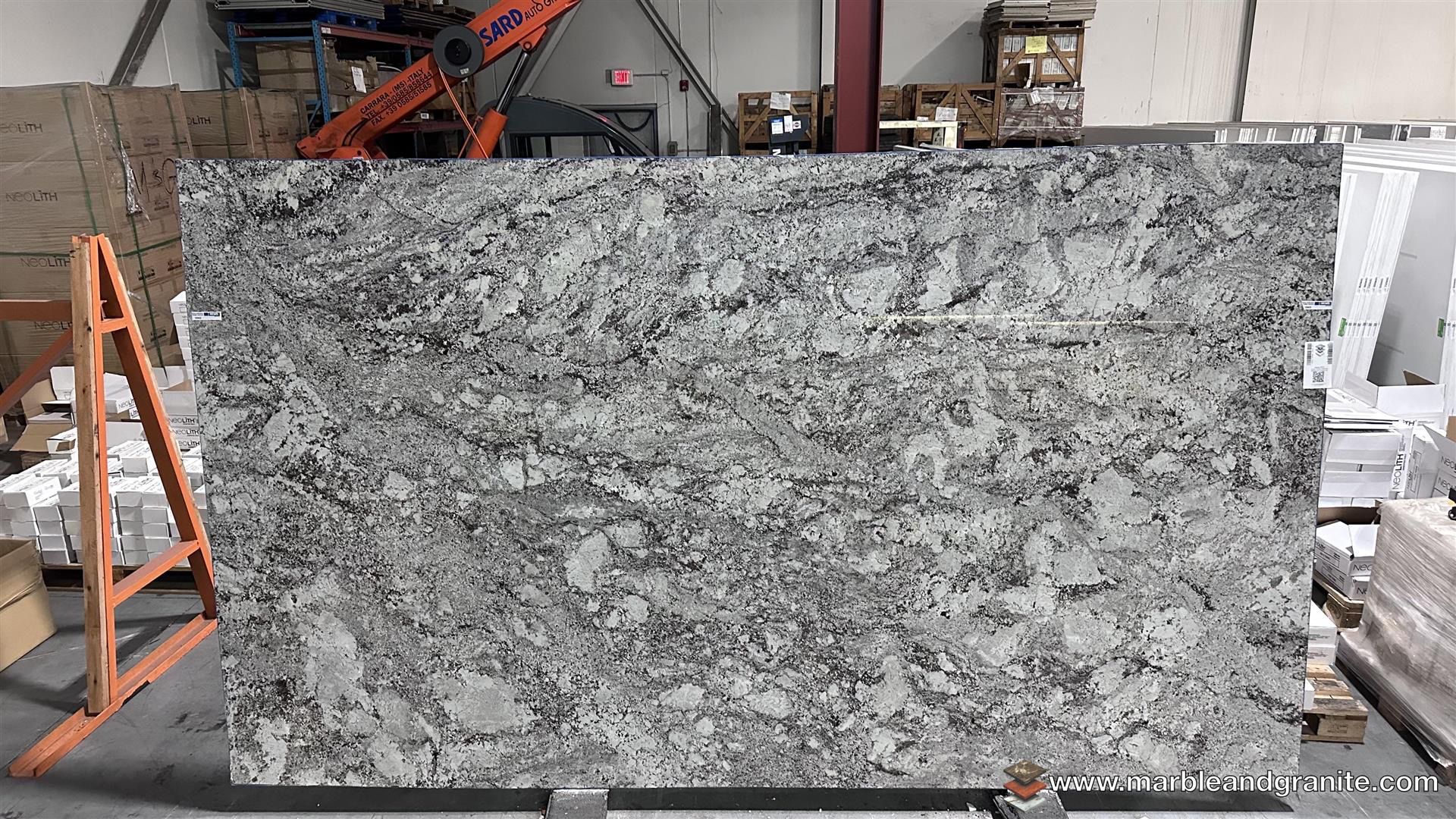
White granite countertops are natural stone surfaces with a light overall appearance, usually mixed with gray, black, cream, taupe, or mineral-colored movement. They brighten a kitchen without looking perfectly uniform. That variation is exactly what attracts many homeowners—and the reason choosing from a small sample is risky.
People often ask for “white granite” as if it were a single look. In the shop, that request can lead to very different slabs. One may read cool and crisp beside white cabinets. Another may lean cream and feel better with wood or warm paint. The right slab is the one that works with the whole room, not the one with the whitest product photo.
Start With Undertone, Not the Name
Bring a cabinet door, flooring sample, backsplash tile, or paint color when comparing stone. A slab that looks neutral by itself may reveal a warm or cool undertone once it sits beside the other finishes. This is especially important with white cabinets: two whites that almost match can look more disconnected than two finishes that were intentionally contrasted.
Natural light matters too. A showroom view, a phone photo, and the actual kitchen can make the same slab look different. If the room receives warm afternoon light or has limited windows, talk through that before making a final decision.
Quiet Movement or a Statement Slab?
There is no universally safer choice. Fine, consistent movement can keep a smaller kitchen calm. Larger mineral clusters or sweeping lines can give an island enough character to stand on its own. The important part is deciding where the most noticeable areas should appear.
Ask to see a proposed slab layout when pattern placement matters. A strong section may look beautiful on the island but distracting at a short backsplash. A more consistent area may be useful around a sink or seam. Layout is where material selection becomes fabrication planning.
What White Granite Hides—and What It Shows
Granite with varied movement can be forgiving of crumbs and ordinary signs of use. At the same time, very light sections may show spills or residue sooner than a darker stone. Neither point should decide the purchase alone. Daily habits, lighting, finish, and the specific slab all matter.
White granite is natural stone, so care instructions should match the selected material. Ask whether sealing is recommended, which cleaners are appropriate, and how to handle oil, wine, coffee, or other common kitchen spills. Avoid treating every granite variety as if it has identical absorption or maintenance needs.
Cabinet Pairings That Usually Work
- White cabinets: compare undertones carefully; use movement to prevent the room from feeling flat.
- Natural wood: warmer mineral tones can connect the slab with the grain of the cabinetry.
- Navy, green, or charcoal: light granite can create contrast while its darker minerals tie the palette together.
- Two-tone kitchens: one light granite can visually connect perimeter cabinets and a contrasting island.
Seams and Slab Yield
Large kitchens do not automatically fit into one slab. The fabricator has to consider slab dimensions, cabinet runs, access, sink and cooktop openings, pattern direction, safety, and usable areas of the material. A responsible plan balances appearance with pieces that can be fabricated, transported, and installed safely.
For homeowners, the best approach is to discuss seam locations before cutting. Ask what drives the proposed placement and how the movement will meet. A seam should never be promised as invisible, but thoughtful layout and skilled installation can make it feel far less distracting.
White Granite vs. White Quartz
Choose granite when the natural variation and mineral depth are part of what you want. Consider quartz when your priority is more predictable patterning and a surface that does not require routine sealing. Neither material is automatically better; the right answer depends on the actual product, the kitchen, and how much variation you enjoy. Our granite vs. quartz comparison explains the tradeoffs in more detail.
Questions to Ask Before Approving the Slab
- Have I seen enough of the full slab to understand its variation?
- How many slabs does my layout require?
- Where are the likely seams and visible edge areas?
- Does the slab lean warm or cool beside my cabinets?
- What care and sealing guidance applies to this material?
- Can I review viable layout choices before fabrication?
Dream Stoneworks fabricates granite in-house at its Hudson shop and coordinates selection through the Northborough showroom. Explore the Central Massachusetts granite service, see an Alaskan White granite example, or send photos and rough dimensions for a free estimate.
Related Pages
Talk to Dream Stoneworks
Need help planning your countertop project?
Call, text, or request a free estimate to compare materials, ask project questions, or plan your next kitchen or bathroom upgrade.